
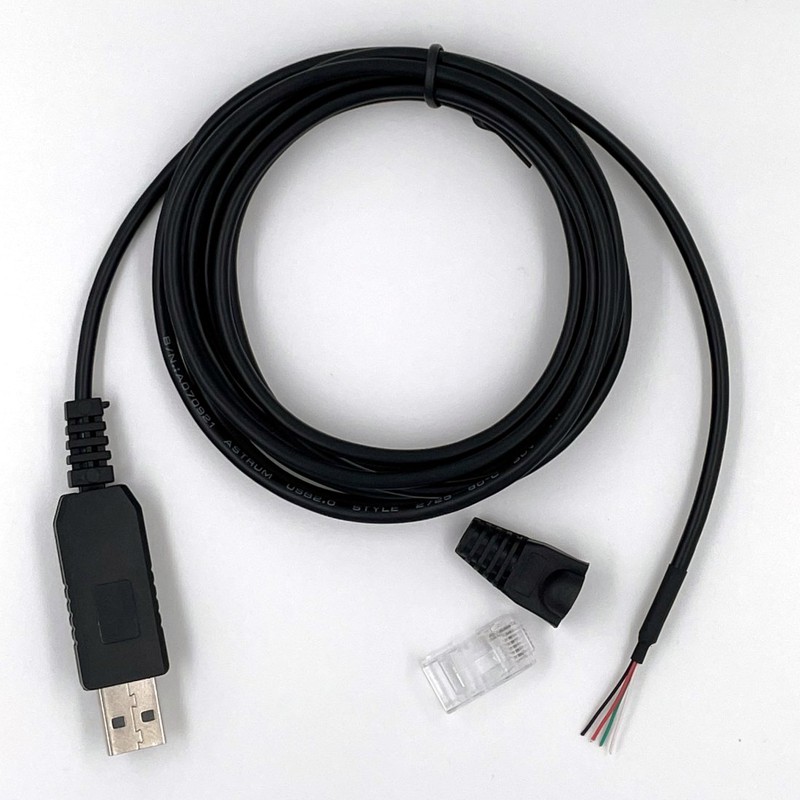
USB to RS485 Cable – Generic, Self-Crimp, 2.5m
R450.00
- Designed and manufactured in-house by Energy Sense.
- Converts USB-A to a shielded RS485 three-wire communication cable.
- Suitable for compatible inverters, batteries, Modbus RTU meters, and RS485 control devices.
- Used for setup, diagnostics, monitoring, configuration, and data communication.
- Standard length: 2.5m. 5m available on request.
- Built using FTDI USB-to-serial technology, based on FT232 / FT231 interface chips.
The Energy Sense USB to RS485 communication cable converts a standard USB connection to an RS485 serial communication interface. It is suitable for compatible devices that use RS485 communication, including selected inverters, lithium batteries, Modbus RTU meters, energy monitoring devices, and other industrial or IoT equipment.
RS485 is commonly used for reliable wired communication between devices and can support protocols such as Modbus RTU, inverter communication, battery monitoring, configuration, diagnostics, and data logging, depending on the connected equipment.
USB to RS485 Cable – Generic, Self-Crimp, 2.5m
R450.00
- Designed and manufactured in-house by Energy Sense.
- Converts USB-A to a shielded RS485 three-wire communication cable.
- Suitable for compatible inverters, batteries, Modbus RTU meters, and RS485 control devices.
- Used for setup, diagnostics, monitoring, configuration, and data communication.
- Standard length: 2.5m. 5m available on request.
- Built using FTDI USB-to-serial technology, based on FT232 / FT231 interface chips.
The Energy Sense USB to RS485 communication cable converts a standard USB connection to an RS485 serial communication interface. It is suitable for compatible devices that use RS485 communication, including selected inverters, lithium batteries, Modbus RTU meters, energy monitoring devices, and other industrial or IoT equipment.
RS485 is commonly used for reliable wired communication between devices and can support protocols such as Modbus RTU, inverter communication, battery monitoring, configuration, diagnostics, and data logging, depending on the connected equipment.
Related products
-
USB to RS232 Cable – Generic, Self-Crimp, 2.5m
R450.00 -
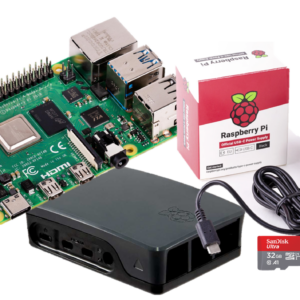
Raspberry Pi 4 2GB kit
R2499.00 -
Sale!
Kioxia Exceria 64GB MicroSDHC UHS-I Memory Card for Raspberry PI
Original price was: R245.00.R238.00Current price is: R238.00. -
Sale!
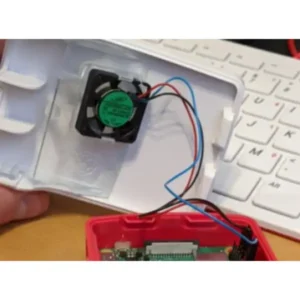
Case Fan and heatsink for Raspberry Pi 4 Official case
Original price was: R125.00.R102.00Current price is: R102.00.